USE CASE
Keep the context that makes your AI work useful.
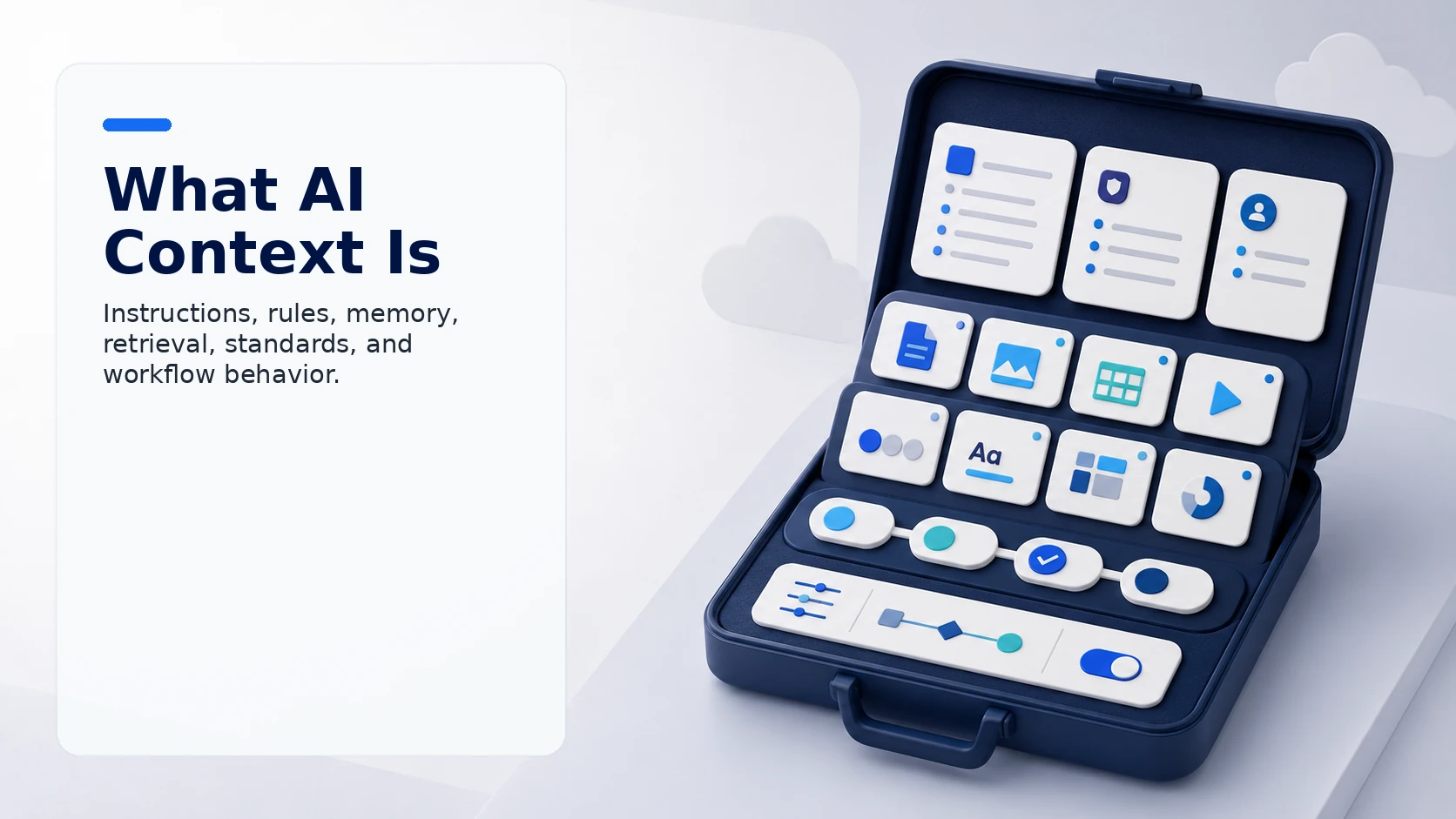
You may own your files. The harder question is whether you can keep the AI-ready context around them: the instructions, rules, memory, and workflow behavior that turn raw content into useful work.
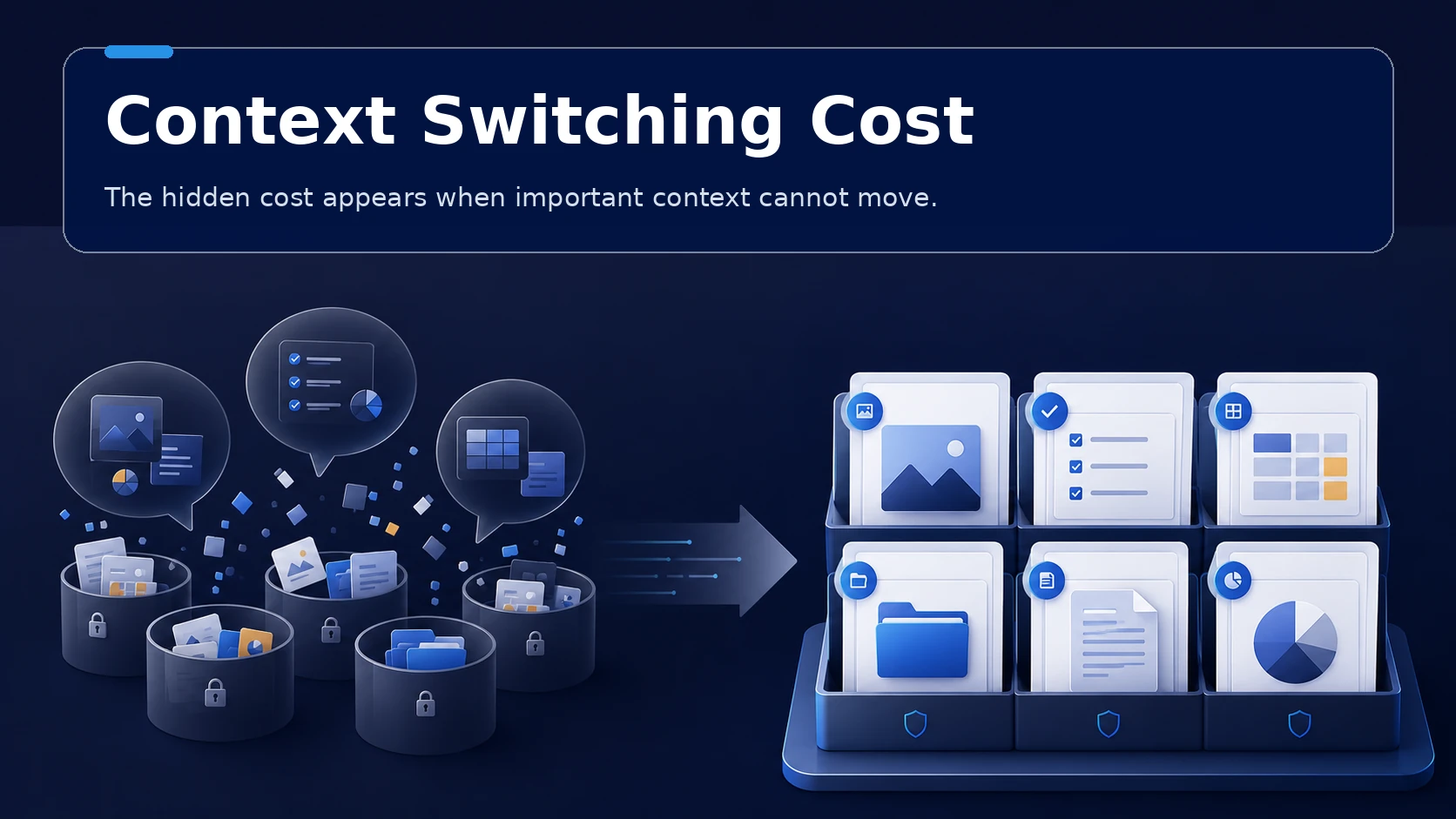
When that context lives only inside one vendor’s chat history, it becomes switching cost. Context lock-in becomes switching cost.

The context you would lose in a switch
- assistant and system instructions
- project rules and approval requirements
- conversation history and preferences
- retrieval configuration
- brand standards and forbidden claims
- tool and routing settings
Most of this is invisible until the day you try to move. Then it is the reason moving hurts.
How ThinkFreely helps preserve context
ThinkFreely is designed to treat context as an operating asset, not a byproduct of chat.
Projects in ChatFreely group related conversations and apply project-level instructions automatically. Set the context once at the project level and let linked conversations inherit it.
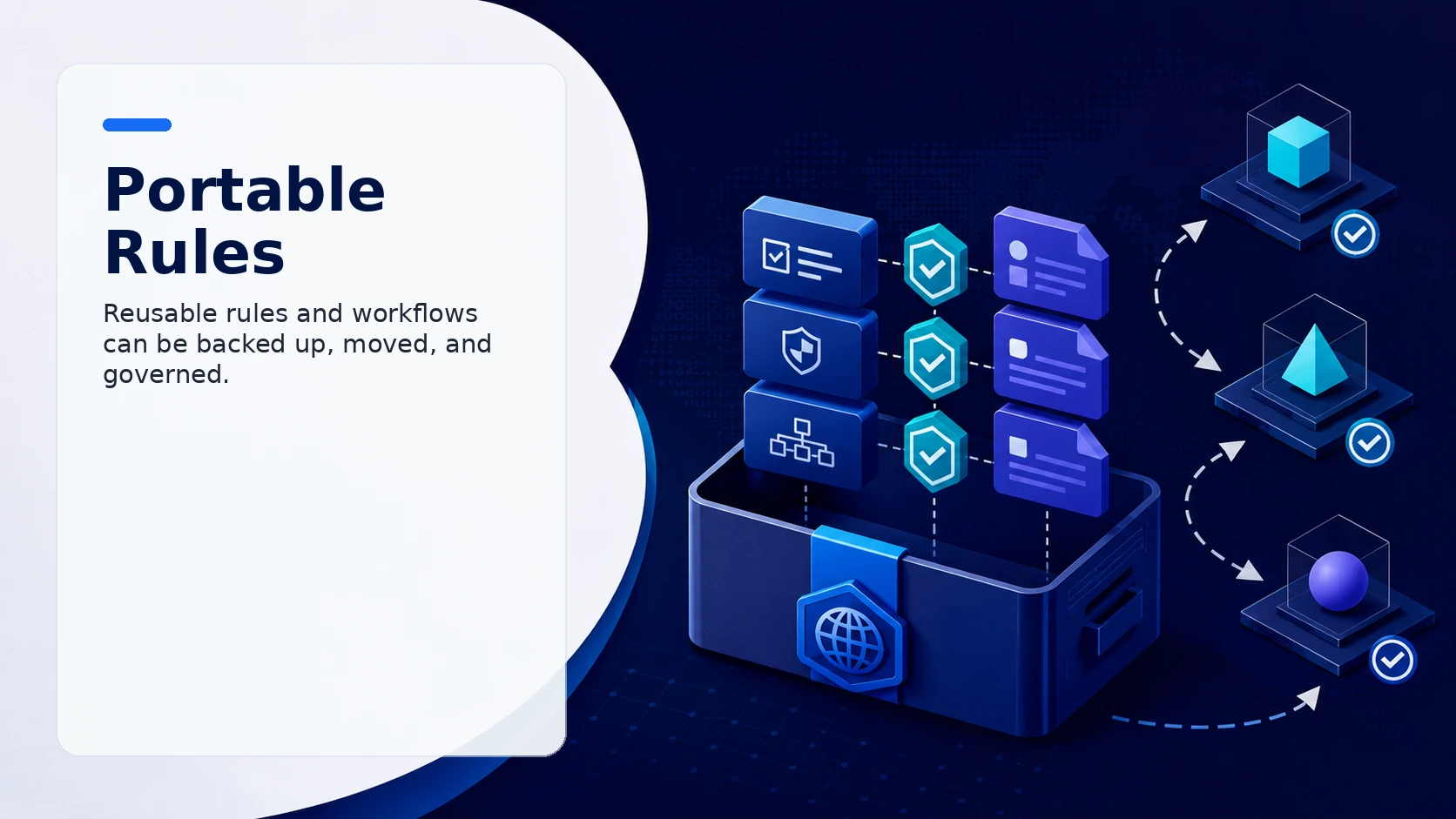
Skills in RouteFreely turn repeatable expertise, brand rules, and task instructions into governed, reusable capabilities, with import and export so expertise can be moved or backed up rather than rebuilt.
DriftHold manages authoritative instructions as structured, versioned, permissioned blocks rather than fragile prompt text. Because instruction state is held separately from the final prompt, the same intent can be rendered for different providers. That is what helps important instructions survive a model change, a retry, or a failover.
The context management engine is designed to preserve important instruction state as conversations grow, instead of losing it under context pressure.
What we do not promise
We do not claim perfect portability or that any memory can always be exported cleanly. Models differ, providers differ, and some memory cannot be moved. ThinkFreely helps preserve more context and helps separate workflows from vendor defaults where supported.
Agency example
A client’s voice, examples, forbidden claims, and approval path can be held as reusable context through projects and skills, not trapped in one person’s chat window.
Operations example
An SOP can carry its source documents, exception rules, and output templates as governed instruction state, so it does not have to be rebuilt each time the model changes.
Operating checks for preserving context
Key operating checks:
- which instructions, memories, files, and project rules matter
- which context should live outside a vendor-specific chat history
- how workflows survive model or provider changes
- what can be exported or reconstructed, and what cannot
- where portability claims need qualified language
Own your content. Control your context.