AI INDEPENDENCE
Access was phase one. Control is phase two.
AI Operating Control is the structure that lets a company see, route, govern, secure, and optimize AI usage as it moves from experiments into real workflows.
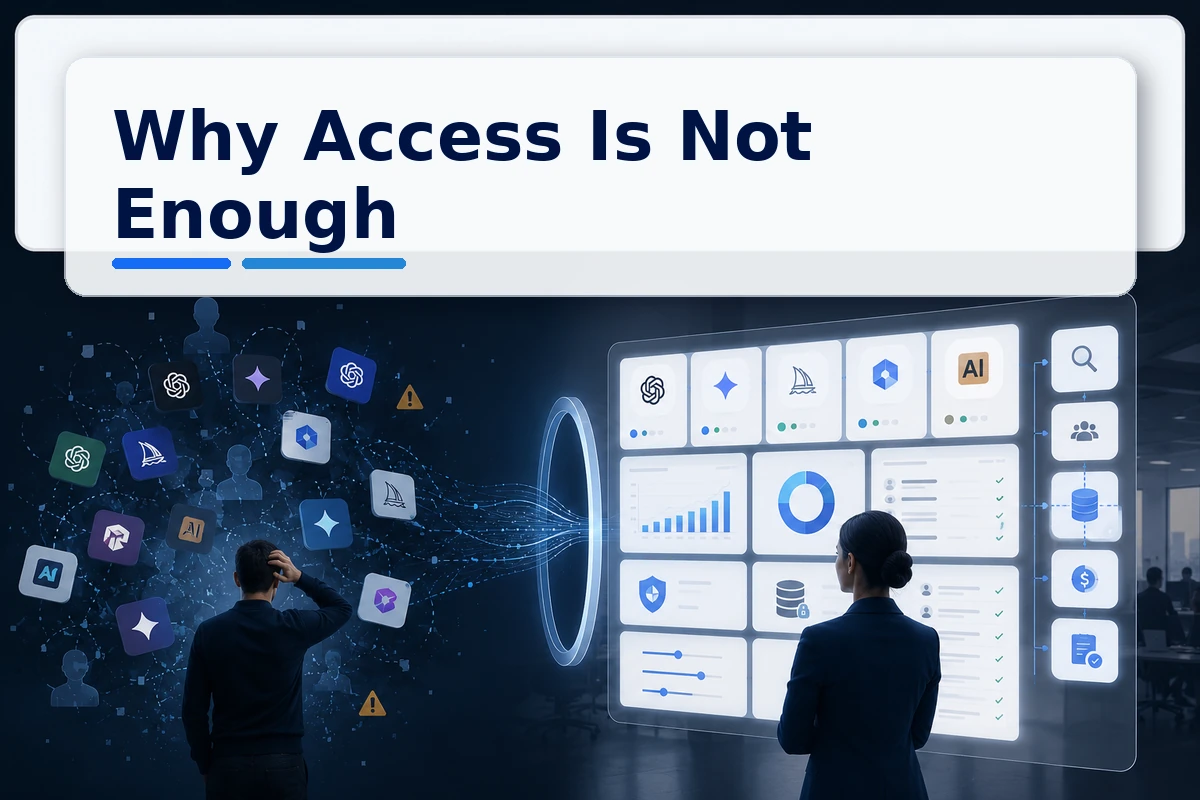
Why access is not enough
The first phase of AI adoption gave people tools. The next phase requires operating discipline. Leadership needs to know what AI is being used, where data is going, what it costs, who has access, and whether workflows can adapt as models change.
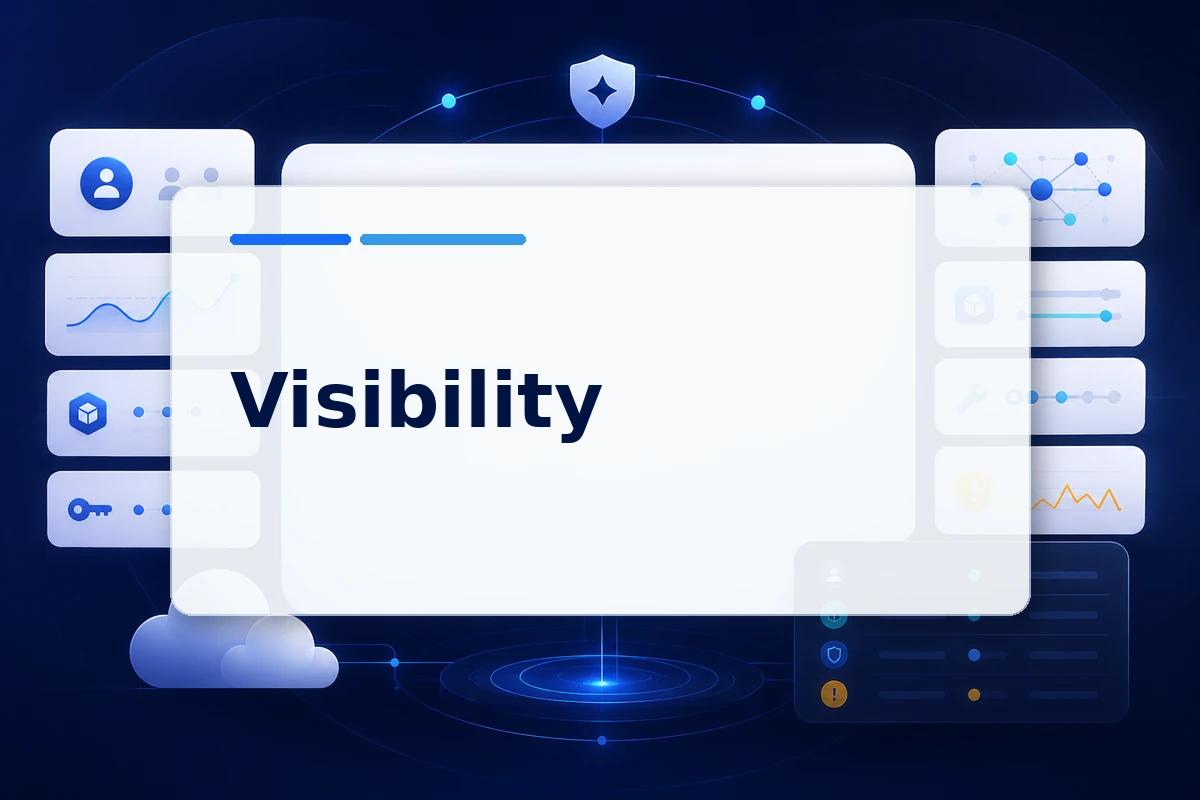
Visibility
Visibility means leadership and administrators can see usage, cost, model selection, tool access, policy events, and workflow patterns.
- usage by user
- usage by group
- model activity
- API key usage
- tool calls
- blocked or warned requests
Direction
Direction means the organization knows which AI opportunities should come first, which should wait, and what controls must exist before scale.
Control
Control means policies can shape the system: access, routing, budgets, data boundaries, tools, human review, and workflow standards.
Routing and governance
Routing turns policy into action by directing work to appropriate models and environments. Governance defines the rules routing should follow.
Cost and data boundaries
AI Operating Control connects financial discipline with privacy discipline. The system should know what the task is worth and what the data allows.
Practical operating examples
No control
A company buys multiple AI subscriptions but cannot see sensitive usage or model spend by department.
With control
The company defines approved workspaces, routing paths, budget limits, data categories, and review responsibilities.
Control maturity ladder
- Invisible usage: employees experiment without visibility.
- Basic access: the company offers approved tools but little policy depth.
- Managed usage: model access, cost, and data categories are visible.
- Operating control: routing, governance, context, tools, and review processes work together.
The control plane is where operating control lives
Operating control is not a feature inside one model. It is a layer above the models. RouteFreely is designed as that control plane. It authorizes, routes, governs, tracks, and inspects AI work rather than simply forwarding it.
Part of that control is behavioral. DriftHold holds authoritative instructions as structured, versioned, permissioned blocks, so AI behavior stays more consistent across long conversations, retries, and failover. DriftHold is the capability. Drift Control is the outcome. Consistent behavior is part of what operating control means.

Recommended operating next step
Review your AI operating control with us and see where visibility, direction, and control are still missing.
Operating decisions to make
Putting operating control in place starts with a few deliberate choices: which work is in scope for AI, which controls matter most for that work, and how you will measure whether the controls are holding. Make those calls on purpose, not by default.
Checks before scaling this area
Key operating checks:
- what work is in scope
- which controls matter most
- what should be measured
- where users need guidance
- what should remain flexible as the market changes
Where this creates control
A team begins with one repeatable workflow, defines the control requirements, then expands only after usage patterns are visible.
The organization chooses the right control level for the work instead of applying the same AI path everywhere.