SOLUTIONS
Adopt AI without betting the company on one provider.
Executives do not need to pick a winning model. They need an operating posture that lets the company choose, govern, and adapt as the AI market changes.
The winning posture is not “choose one model.” It is “build an operating layer that can choose, route, govern, and adapt.”

The strategic risk is dependence, not vendors
AI independence is not anti-vendor. It is anti-dependence. Frontier models, private models, local models, and specialized models all have a place. The risk is building the entire company around one of them by default.
When one provider becomes the only path, the business inherits its pricing changes, policy shifts, capability gaps, outages, and roadmap decisions. Convenience becomes architecture. Architecture becomes dependency. Dependency becomes pricing power for someone else.
What leadership actually gets
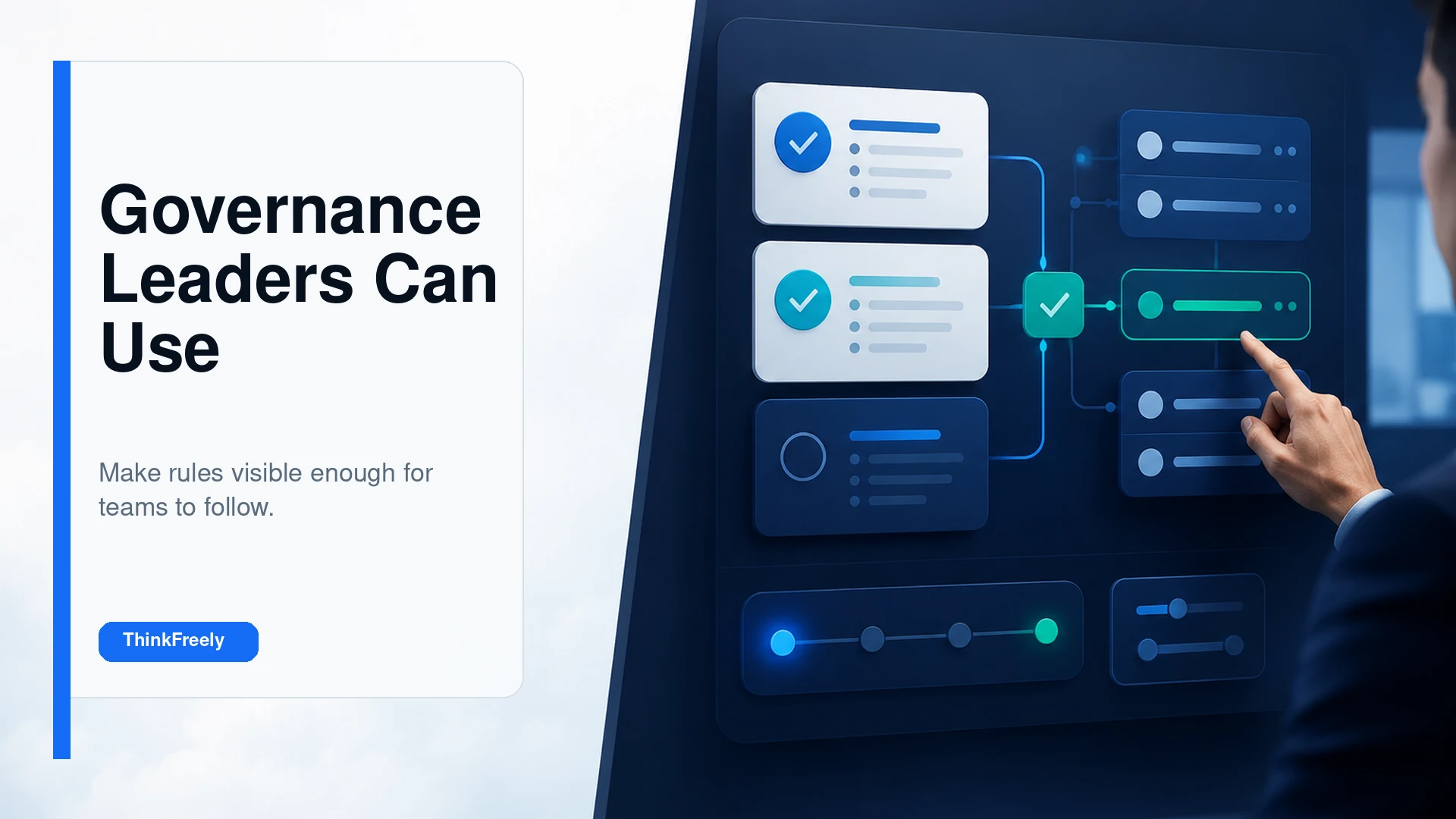
ThinkFreely gives executives a practical way to adopt AI without surrendering control to scattered tools or a single provider ecosystem.
- visibility into how AI is used across the organization
- better control over AI cost before it becomes a line-item surprise
- safer adoption across departments instead of unmanaged shadow AI
- a more resilient strategy as models and prices change
- a clearer governance posture for the board and for customers
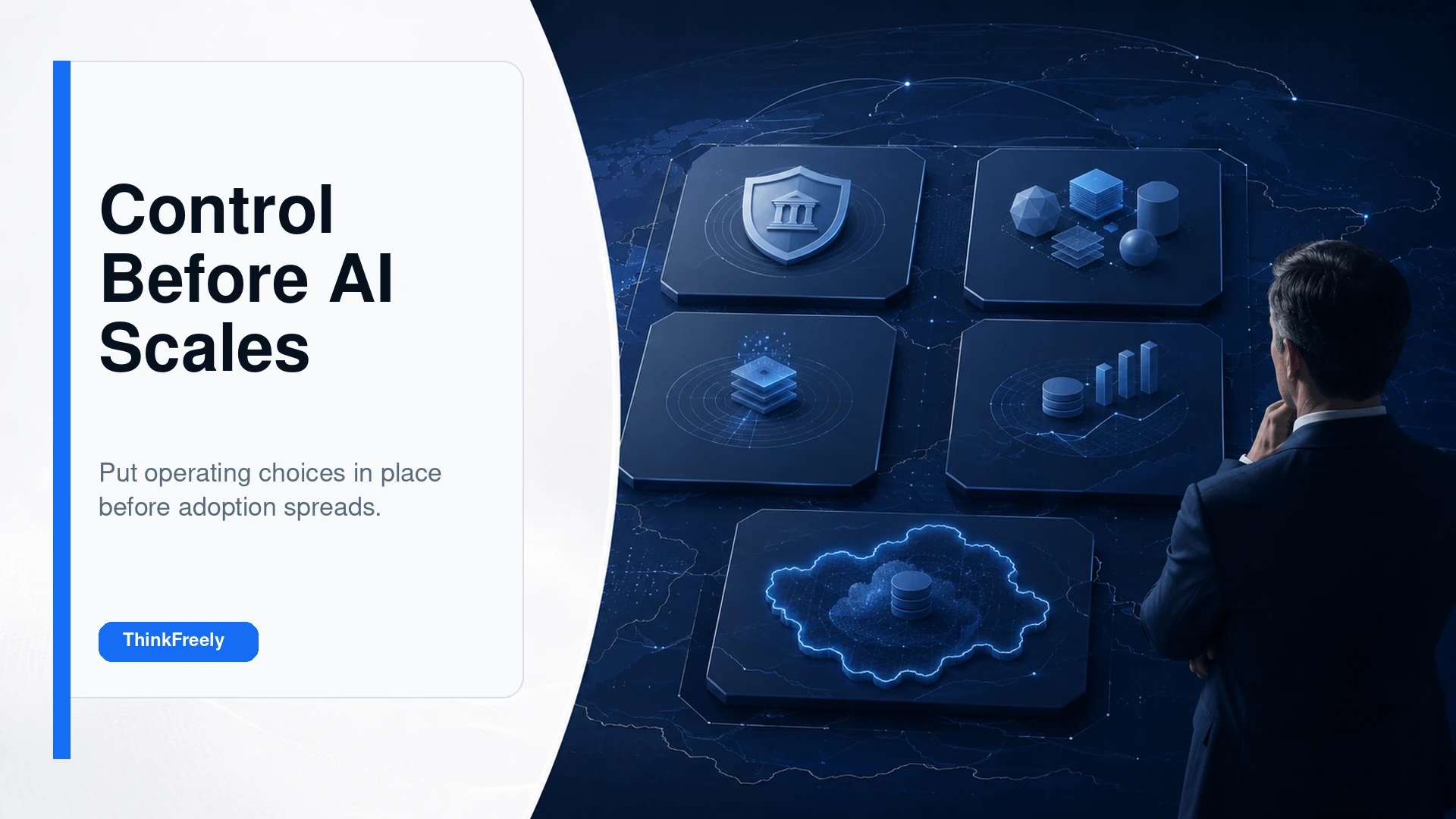
The questions a leadership team should be able to answer
- Which work should use which model?
- Which data can go to which AI environment?
- Which users can access which capabilities?
- What happens if a provider changes pricing or policy?
- Can important instructions and workflow context survive a model change?
- Can we see cost and usage before they become budget problems?
If those questions cannot be answered clearly, the company may be getting value from AI while relying on habit more than operating control.
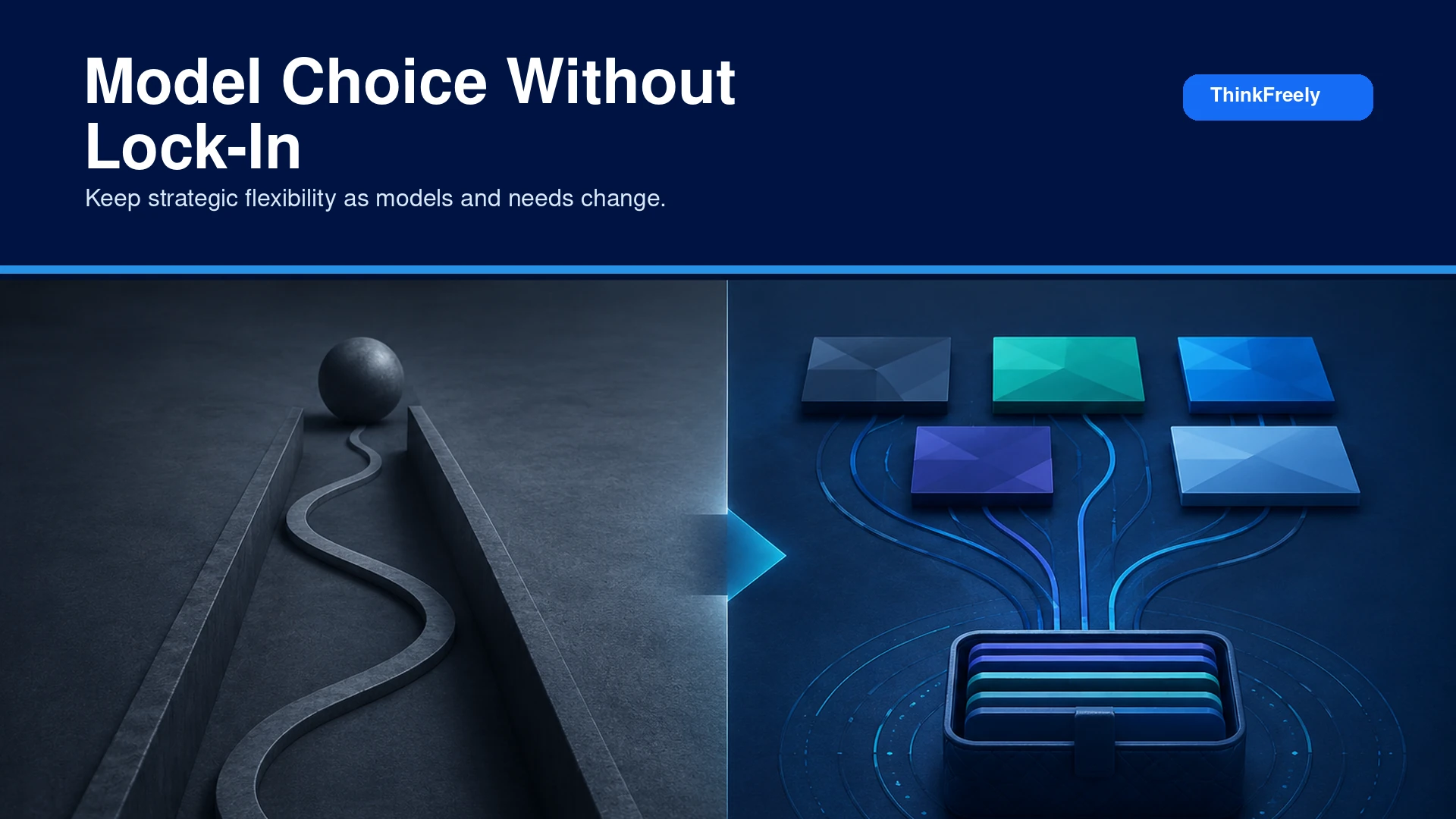
Independence is an operating decision
RouteFreely provides the routing and control layer. ChatFreely gives employees a governed workspace they will actually use. Buildtelligence helps translate the strategy into real operating structure. Together they turn AI independence from a philosophy into daily practice.
Board-level framing
Leadership can review AI usage by function before funding the next rollout wave, rather than discovering exposure after it becomes a problem.
Negotiation leverage
An organization that can route across providers keeps leverage. One that cannot has already agreed to whatever comes next.
What we do not claim
We do not promise guaranteed savings or total protection from risk. We help preserve choice, improve visibility, and reduce unnecessary dependence on one vendor-controlled path.
Operating checks for leadership
Key operating checks:
- which cost, usage, and risk signals leadership needs to see
- which decisions require ownership
- where unmanaged AI creates cost or risk
- how the approved path stays usable
- what review cadence keeps the approach current
Preserve choice before dependence becomes architecture.