GET STARTED

Start with what you can see, then decide what to control.

Most organizations cannot answer basic questions about their own AI usage: who uses it, which models, what data goes where, and what it costs. An assessment turns those unknowns into a plan.

You cannot govern what you cannot see. The first step is visibility.

assessment hero

What an assessment looks at

  • which AI tools employees and departments already use
  • whether leadership knows what data is being sent to them
  • where developers are building directly against provider APIs
  • which workflows are driving cost, and whether that cost maps to value
  • where sensitive work is happening without a controlled route
  • whether there is any fallback if a provider becomes unavailable

The questions that reveal dependence

  • Which work should use which model?
  • Which data can go to which AI environment?
  • Which users can access which capabilities?
  • What happens if a provider changes pricing or policy?
  • Can important instructions and context survive a model change?
  • How would you change providers if the current one no longer fit?

If those questions cannot be answered clearly, the organization may be getting value from AI while relying on habit more than operating control.

assessment inline 1 why assessment before scale
assessment inline 2 assessment areas

From findings to a plan

An assessment should end with a short, prioritized path: the few workflows worth governing first, the models and tools to approve, the sensitive categories that need a stricter route, and the cost controls worth putting in place. Buildtelligence helps translate the findings into an operating design.

Strong signals

Multiple teams using different tools, rising or unclear cost, sensitive-data concerns, and direct provider integrations are all signs that a control layer would help.

First move

Pick one or two high-value, manageable-risk workflows and design their routing, access, and privacy policy before expanding.


What we do not claim

We do not claim an assessment removes risk or produces instant results. It produces visibility and a prioritized plan, which is where real control starts.

Operating checks after an assessment

Key operating checks:

  • which workflows go first and why
  • which models and tools to approve
  • where sensitive work needs a stricter route
  • which cost controls matter most
  • who owns the rollout and the review

Preserve choice before dependence becomes architecture.

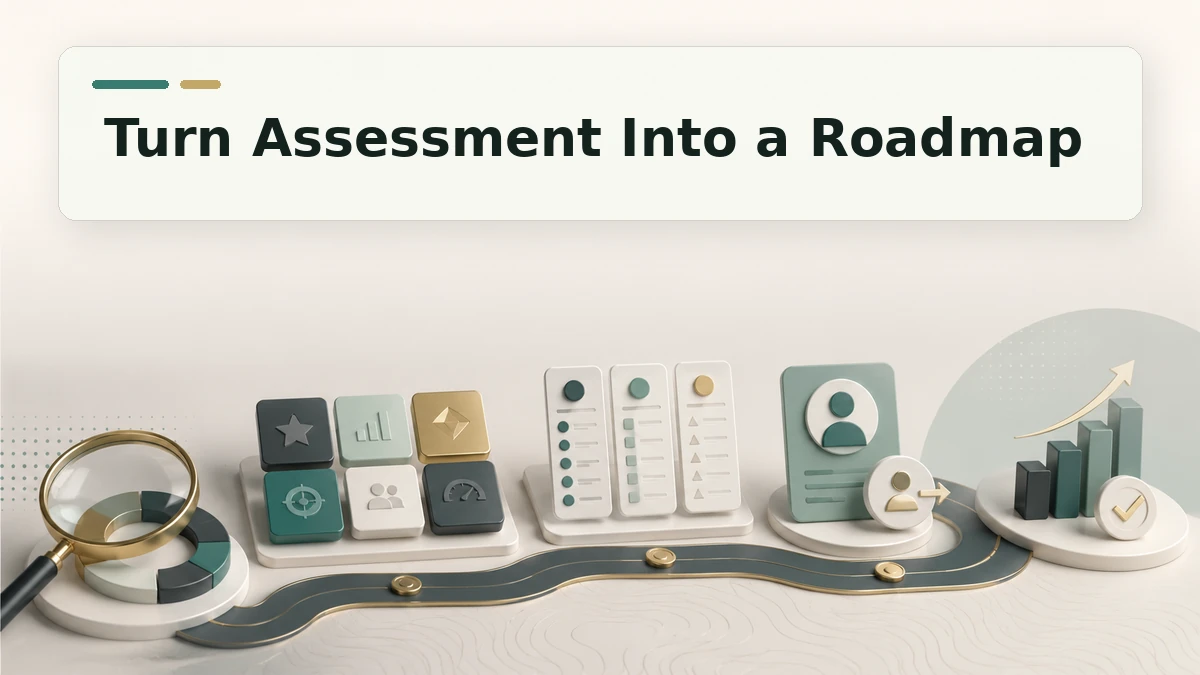
assessment inline 3 what you receive

Think Freely.

Scroll to Top