SOLUTIONS
A control layer for AI traffic, not another scattered integration.
IT teams are being asked to support AI without a place to stand. Requests come from every department, developers wire directly to provider APIs, and no one owns the traffic in between.
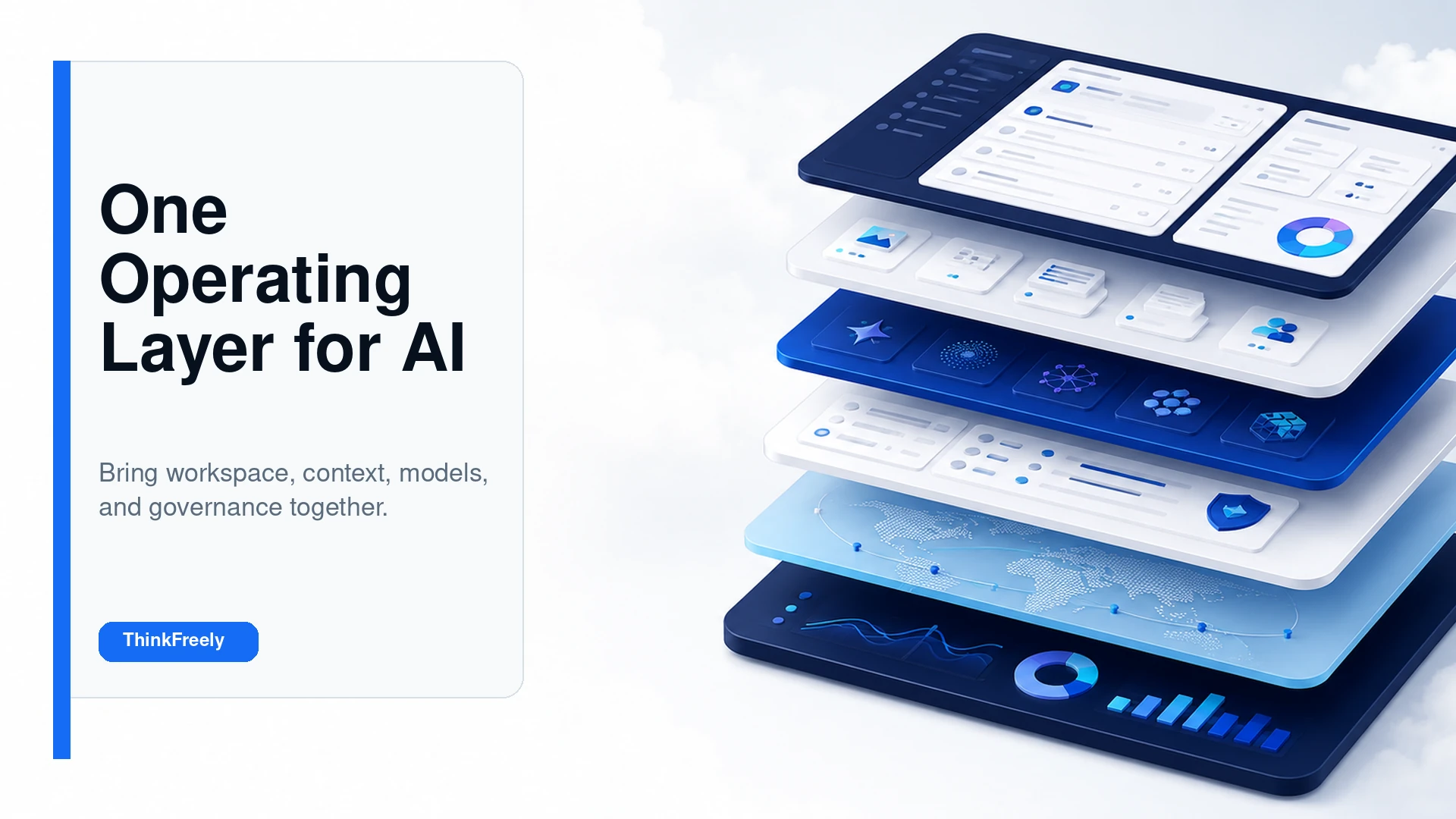
RouteFreely gives IT a control plane for AI: routing, model access, identity, tool connection, and operational visibility in one governed layer.

More than a proxy
A proxy passes traffic through. A control plane governs it. RouteFreely is designed to authorize, route, govern, track, and inspect AI requests, not simply forward them.
That distinction is the point. The value is not that users can reach a model. The value is that the organization can decide how, where, and under what policy that happens.
Compatibility that reduces rework
RouteFreely is designed to expose a consistent API surface across providers so existing clients do not have to be rewritten for each one.
- OpenAI-compatible routes for the many tools and internal apps that already expect them
- Anthropic-compatible message and tool-use behavior in tested scenarios
- Ollama-compatible local model behavior for private or offline work
- virtual models that expose a stable name while the backend provider changes underneath
Applications that already speak an OpenAI-style API can point at RouteFreely and gain visibility, limits, access control, and routing flexibility without a rewrite.
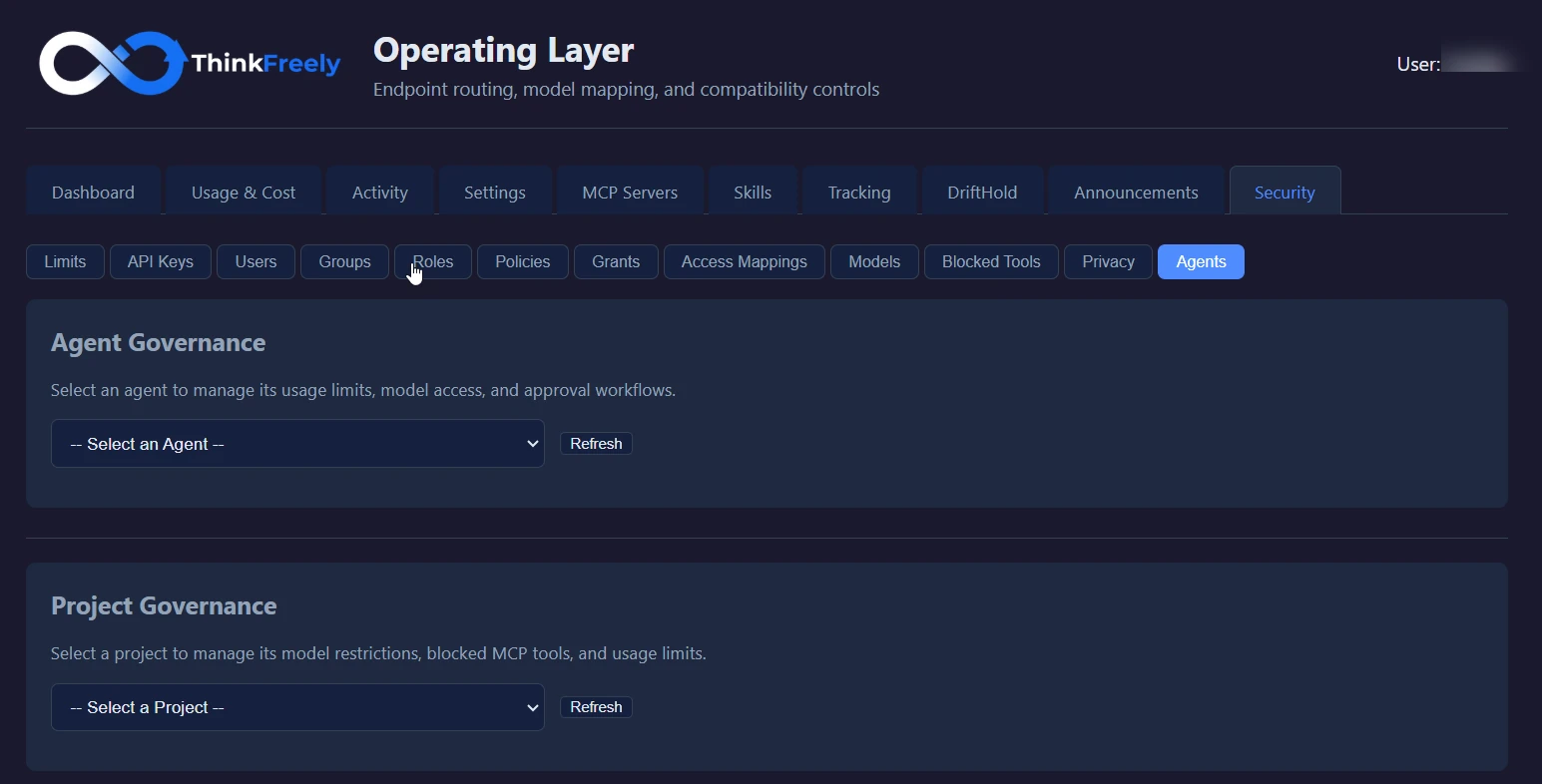
Agents and projects get their own governance
Agent and project governance scopes limits, model access, and approvals to the unit doing the work. IT sets the boundary once. The layer holds it.
The controls IT actually needs
- OIDC-compatible authentication, including Microsoft Entra and other providers, so AI access follows existing onboarding and offboarding
- managed API keys with one-time display, hashed storage direction, labels, and revocation, to end provider-key sprawl
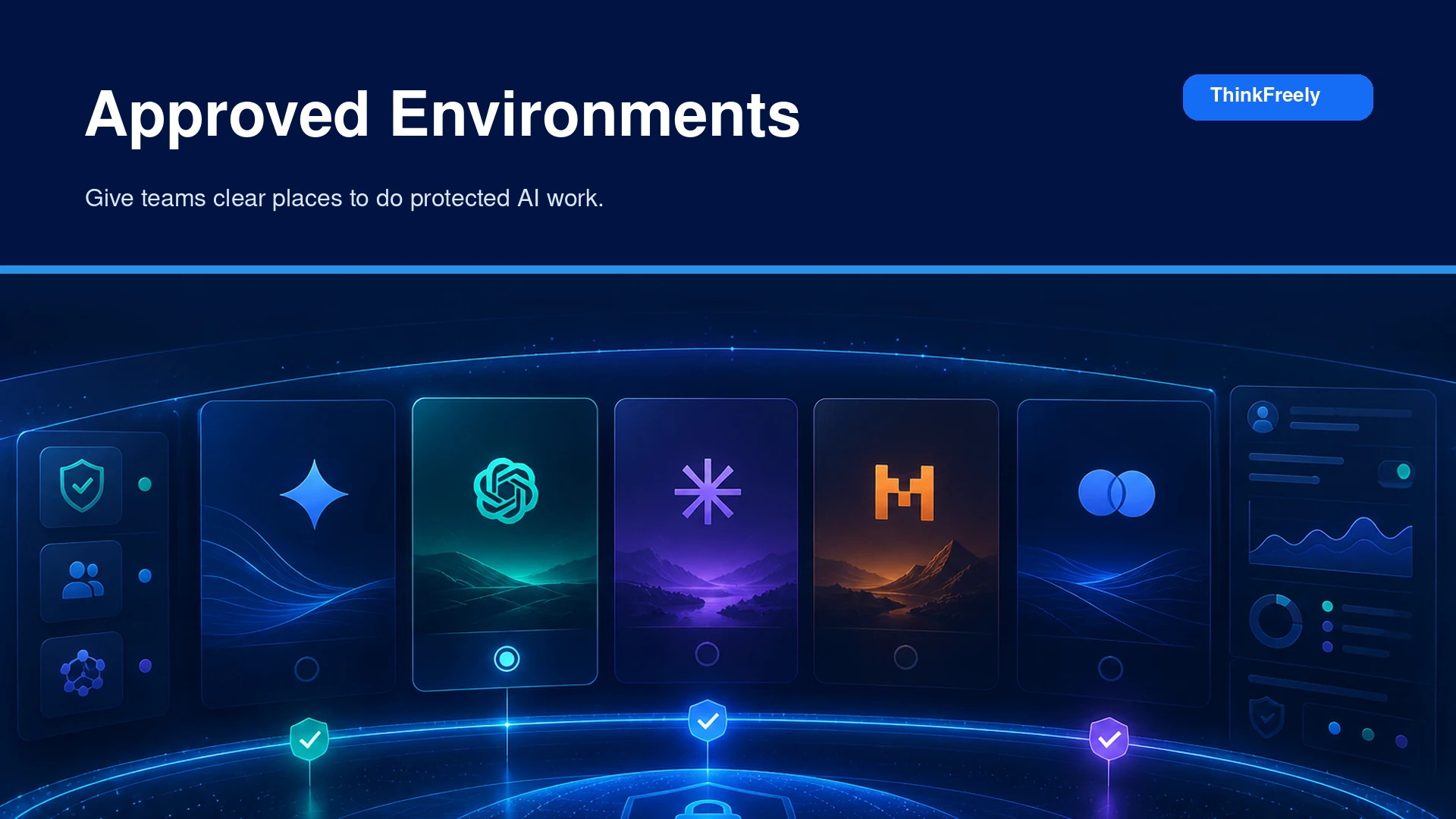
- model access control by user, group, department, or key
- health checks and provider failover so a single outage does not stop AI-dependent work
- an MCP registry to govern which external tools AI can reach
- request-level tracking and an admin dashboard for usage, cost, and diagnostics
Existing internal app
An internal tool hardwired to one provider can move behind a virtual model. IT changes the backend later without touching the application.
Provider outage
If a primary provider degrades, requests can fail over to an approved alternate based on configuration, instead of failing outright.
Readiness, described honestly
Some capabilities are strong today, such as compatibility routes, API key management, usage tracking, limits, model access control, and the MCP registry. Others, including the full privacy pipeline and complete internet-facing deployment hardening, are designed for and in progress. We mark direction as direction.
Operating checks for IT
Key operating checks:
- which direct integrations should move behind a control layer
- which models and environments are approved
- how identity and access map to existing IT policy
- when failover is acceptable and how it is configured
- what usage and request data IT needs to operate AI
Put a control layer between your business and the model market.