USE CASE

Stop letting AI spend happen in the dark.

AI spend becomes hard to manage when every team, workflow, and application can choose models without visibility, limits, or routing discipline.

control ai costs hero

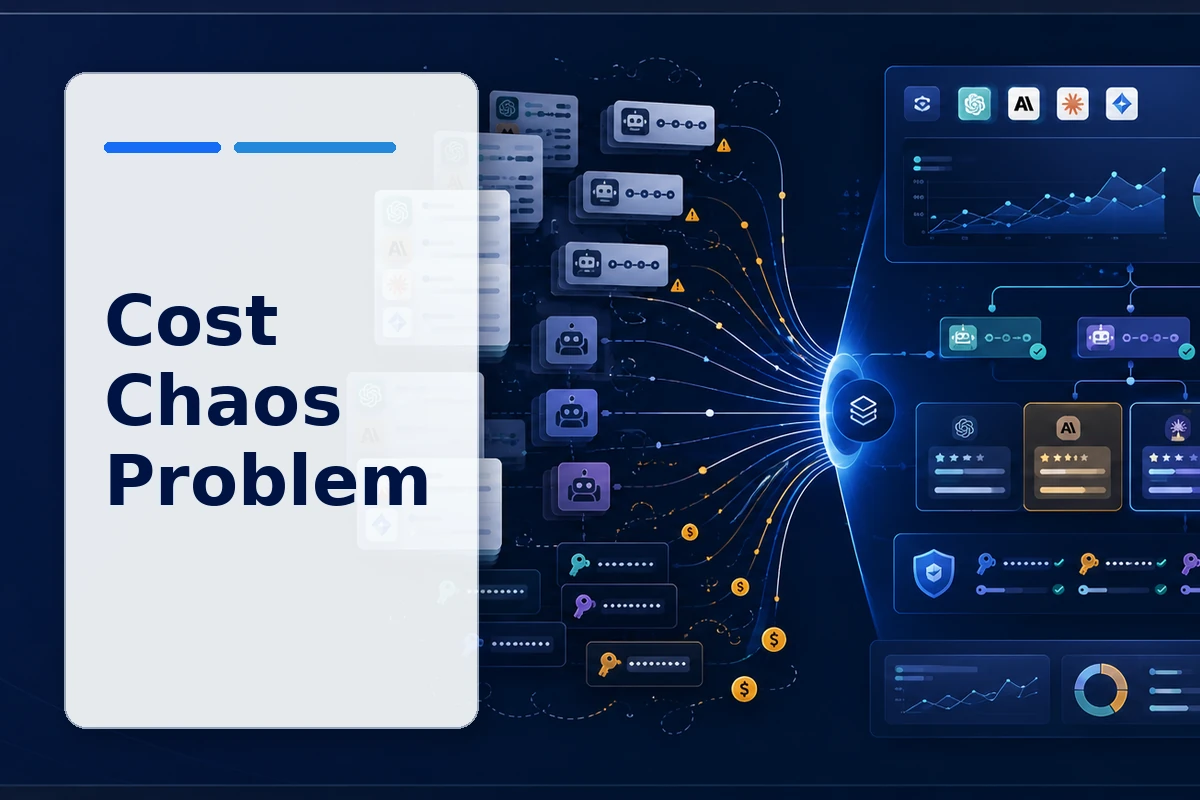
The cost chaos problem

The most expensive AI pattern is not always a high price per token. It is unmanaged usage. Premium models get used for routine tasks, automations run without budget awareness, departments duplicate subscriptions, and finance receives a bill without a workflow-level explanation.

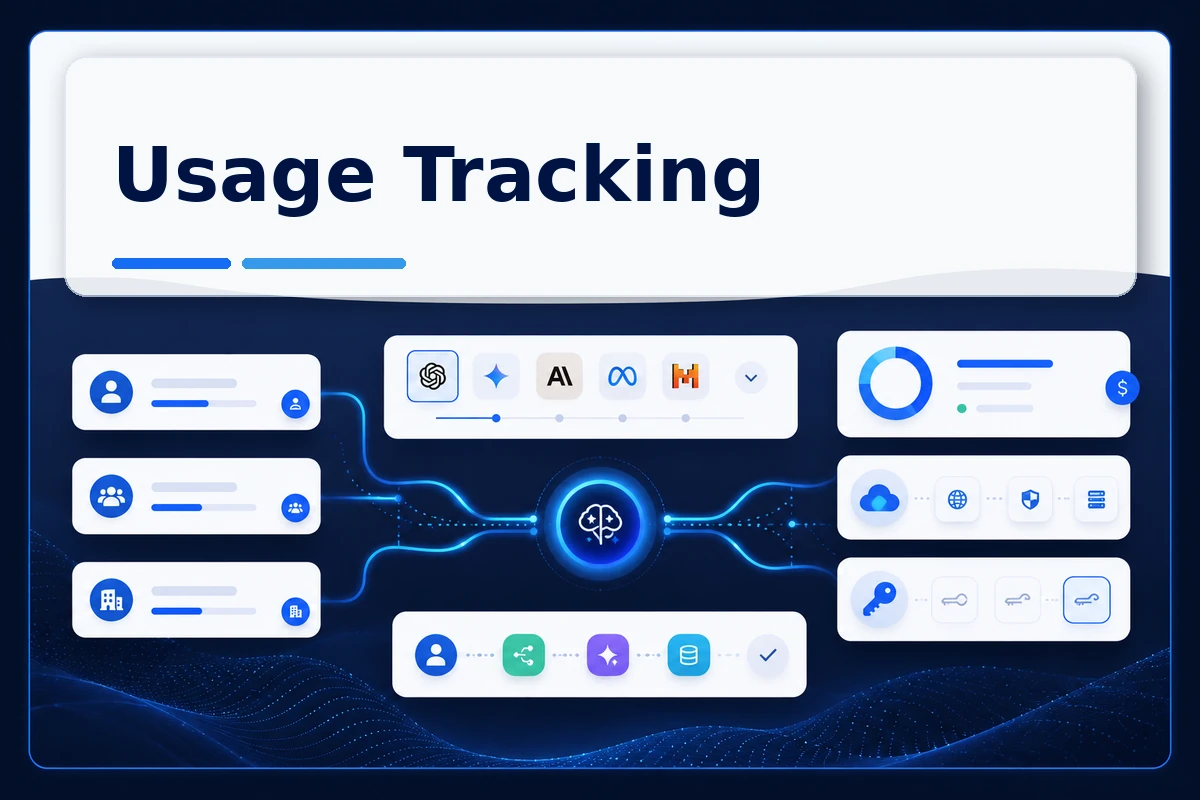
Usage tracking

RouteFreely is designed to give administrators visibility into how AI is being used. Tracking should connect cost back to users, API keys, models, endpoints, and business patterns.

  • which models are used most often
  • which users or groups create the most volume
  • which endpoints drive cost
  • where automation may be multiplying spend

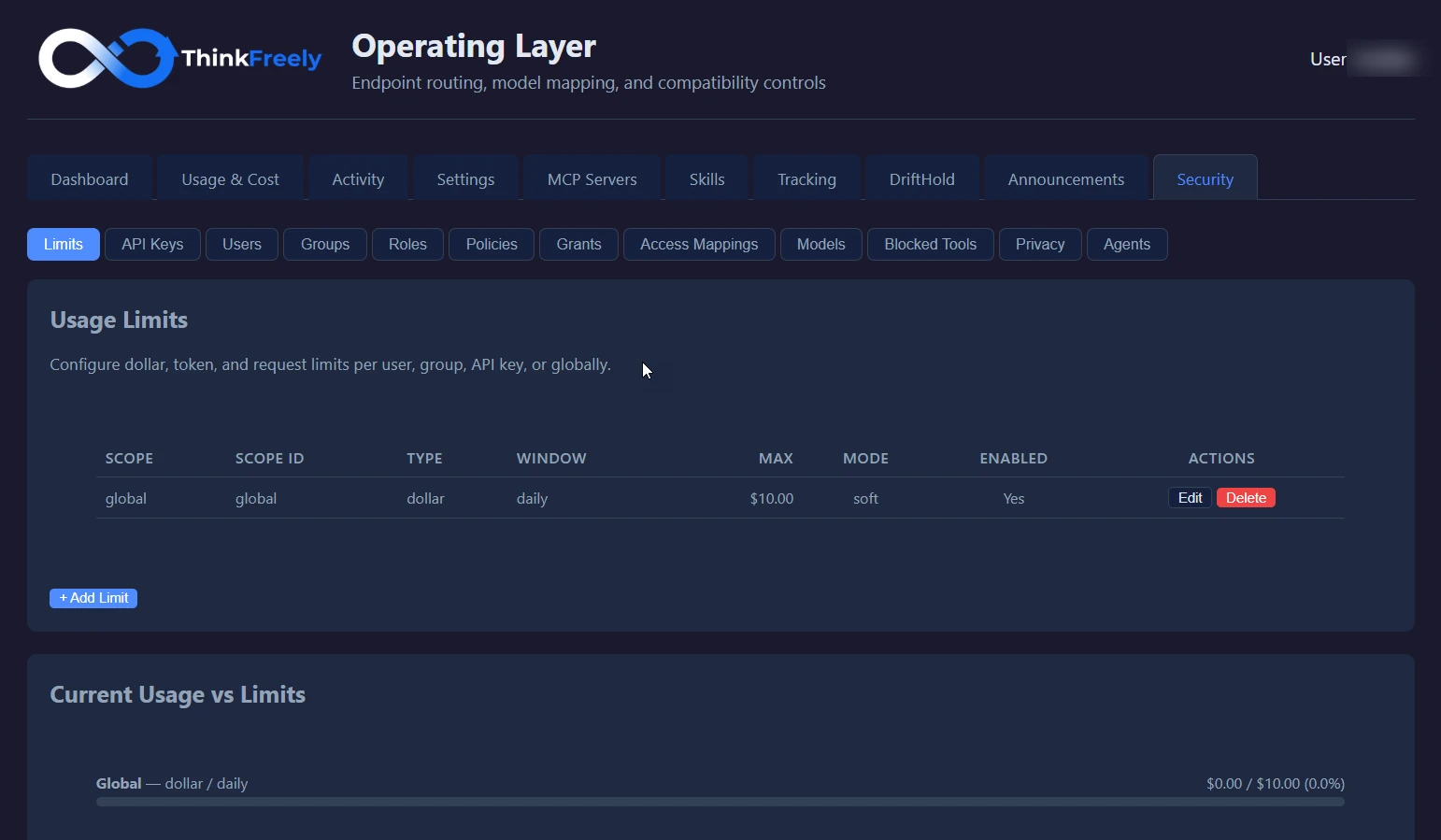
Hard and soft limits

Hard limits stop spend at a threshold. Soft limits create warnings and review events. The right choice depends on whether the workflow is experimental, routine, or business-critical.

  • hard caps for pilots and noncritical usage
  • soft warnings for executive or operational workflows
  • override patterns for approved exceptions
control ai costs inline 1 cost chaos problem

Premium-model overuse

A premium model may be the right tool for complex work, but it should not become the default for every low-risk rewrite, summary, or extraction task. Capability-aware and cost-aware routing help by matching each request to a model that fits the task and its value.

  • classify tasks by reasoning need
  • review repeated prompts
  • separate draft generation from final review
  • route by quality requirement
control ai costs inline 2 usage tracking

Reporting and accountability

Cost reporting should help leaders make decisions, not just read charts. The useful question is which workflows justify their model spend and which ones should be routed differently.

Cost-control examples

Agency content operations

A team drafts many first-pass posts and ads. Most drafts can use a lower-cost model, while brand-sensitive strategic pieces route to stronger review.

Internal analytics

Routine report explanations can use a standard model. Complex financial interpretation can route to a more capable model under a monitored budget.

Where cost waste usually hides

  • repeated summarization workflows that never get right-sized
  • agents or automations that run more often than intended
  • drafting workflows that use premium reasoning by default
  • unused subscriptions duplicated across departments
  • API keys that are shared instead of owned

Recommended cost-control next step

Review your AI spend with us and see where routing and limits could bring cost back under control.

Operating checks for spend control

Key operating checks:

  • which workflows are driving spend
  • which requests justify premium reasoning
  • where lower-cost approved routes are sufficient
  • how budgets, caps, and exceptions should be reviewed
  • whether spend is connected to business value rather than model habit
control ai costs inline 3 hard soft limits

Think Freely.

Scroll to Top