The ecosystem is the product. Implementation is how it becomes operating control.
RouteFreely and ChatFreely are infrastructure, not a switch you flip. The value shows up when routing, access, privacy, cost, and context are designed around how your business actually works.
ThinkFreely provides the AI independence ecosystem. Buildtelligence helps you implement it inside real operations.
Why implementation matters here
An AI control layer only earns its keep when the policy behind it reflects real workflows. Which models are approved, which data can go where, which users see which capabilities, and how cost is governed are decisions, not defaults. Getting them right is the difference between operating control and another tool nobody trusts.
What implementation covers
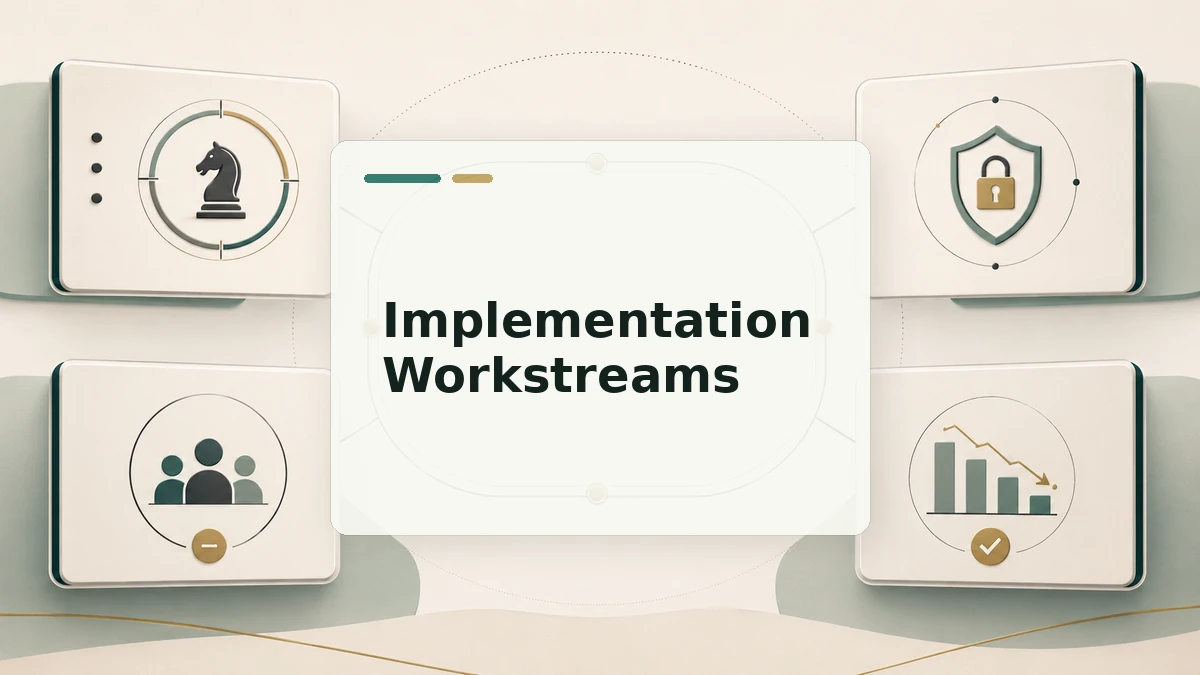
AI readiness assessment and use-case prioritization
model strategy and routing policy design
privacy policy and data-boundary rules
workflow mapping and governance design
skills design and MCP tool integration
internal rollout, training, and dashboard configuration
cost-control planning and ongoing refinement
A sensible sequence
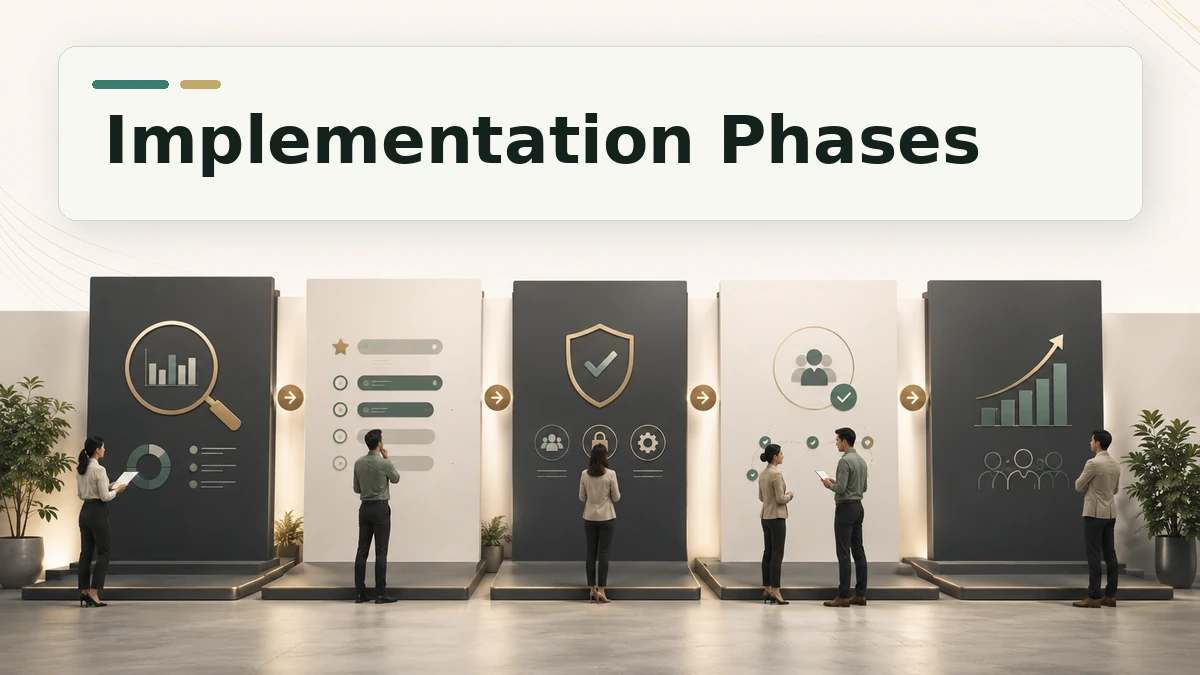
Assess where AI is already being used and where the exposure is.
Prioritize a few workflows with clear value and manageable risk.
Design the routing, access, and privacy policy for those workflows.
Roll out to one or two groups, then review real usage.
Expand with evidence, not assumption.
Pilot first
A narrow pilot reveals the routing and policy questions that workshops miss, because real usage behaves differently from a plan.
Own the workflow
Every rollout needs an owner for model approval, tool approval, access, and review. Unowned governance drifts.
What we do not claim
We do not claim instant migration or set-and-forget adoption. Implementation is a deliberate process, and the honest promise is more control over cost, context, data boundaries, and model choice, not a finished result on day one.