
AI INDEPENDENCE
Cost-aware AI routing means spend follows value, not habit.
Cost-aware AI routing is the practice of directing each AI request to a model and environment that fit the task, so premium reasoning is used where it earns its cost and routine work uses lower-cost approved routes.
Premium models are valuable. They should not become the default path for every task. Route by need, not habit.

Why AI spend hides
AI cost can escalate quietly. It hides in subscriptions, direct API usage, premium-model defaults, unmanaged automations, duplicated tools, and department experiments. When every request goes to the most expensive model out of habit, spend grows without a matching gain in value.
The problem is rarely that AI costs too much. The problem is that spend is not connected to the work it supports.
What "cost-aware" actually requires
Routing by cost is only possible when the organization can see and shape usage. RouteFreely is designed to support the pieces that make this real.
Capability-aware and cost-aware routing send a request to a model that can actually perform the task, at a cost that matches its value. A routine daily summary can use a lower-cost model while exception analysis routes to a stronger one.
Virtual models let administrators expose a stable name, such as company-writing-assistant, while changing the backend provider or tier behind it. Teams keep working while cost strategy changes underneath them.
Usage tracking records requests, tokens, and estimated cost by user, group, model, endpoint, and API key. You cannot manage spend you cannot attribute.
Hard and soft limits set the enforcement posture. Soft limits log warnings and allow work to continue. Hard limits block requests once a cap is reached. Rate limiting prevents a single user or integration from driving cost velocity unchecked.

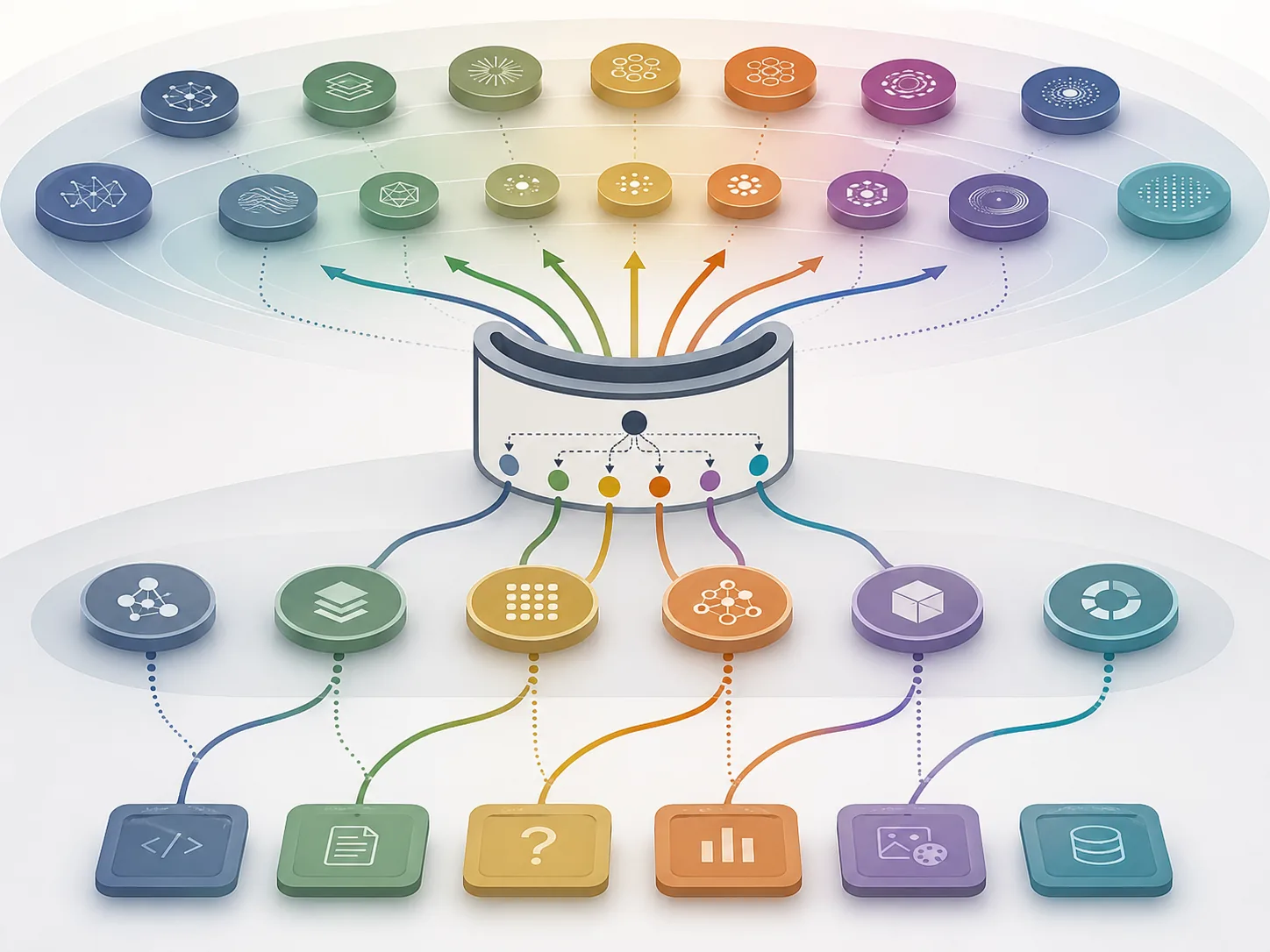
Model tiers are a strategy, not an accident
Cost control comes from deciding, on purpose, which tasks justify premium models and which do not.
- reserve premium reasoning for high-value or complex work
- use lower-cost approved models for routine drafting and summarization
- keep local or private routes available where they fit
- set budgets, caps, and exceptions by workflow importance
Finance review
Finance can review model spend by department and flag workflows with high cost but unclear value, then adjust routing before the next billing cycle.
Staged rollout
A new team can experiment under a monthly cap while usage is monitored, then expand access once the value is clear.
What we do not claim
We do not promise guaranteed savings or a fixed percentage reduction. Cost outcomes depend on your workflows, model choices, and configuration. ThinkFreely helps make AI spend visible, attributable, and governable, and supports cost-aware routing so that spend can follow value.
Operating checks for cost-aware routing
Key operating checks:
- which workflows are driving spend
- which requests justify premium reasoning
- where lower-cost approved routes are sufficient
- how budgets, caps, and exceptions should be reviewed
- whether spend is connected to business value rather than model habit
Make AI spend visible before it becomes a problem. Route by need, not habit.