
CAPABILITIES
Virtual Models: Stable Names for Teams, Flexible Backends for You
The best model for a job changes every quarter. Your workflows should not have to. Virtual models give teams stable model names while administrators change the backends behind them by policy.
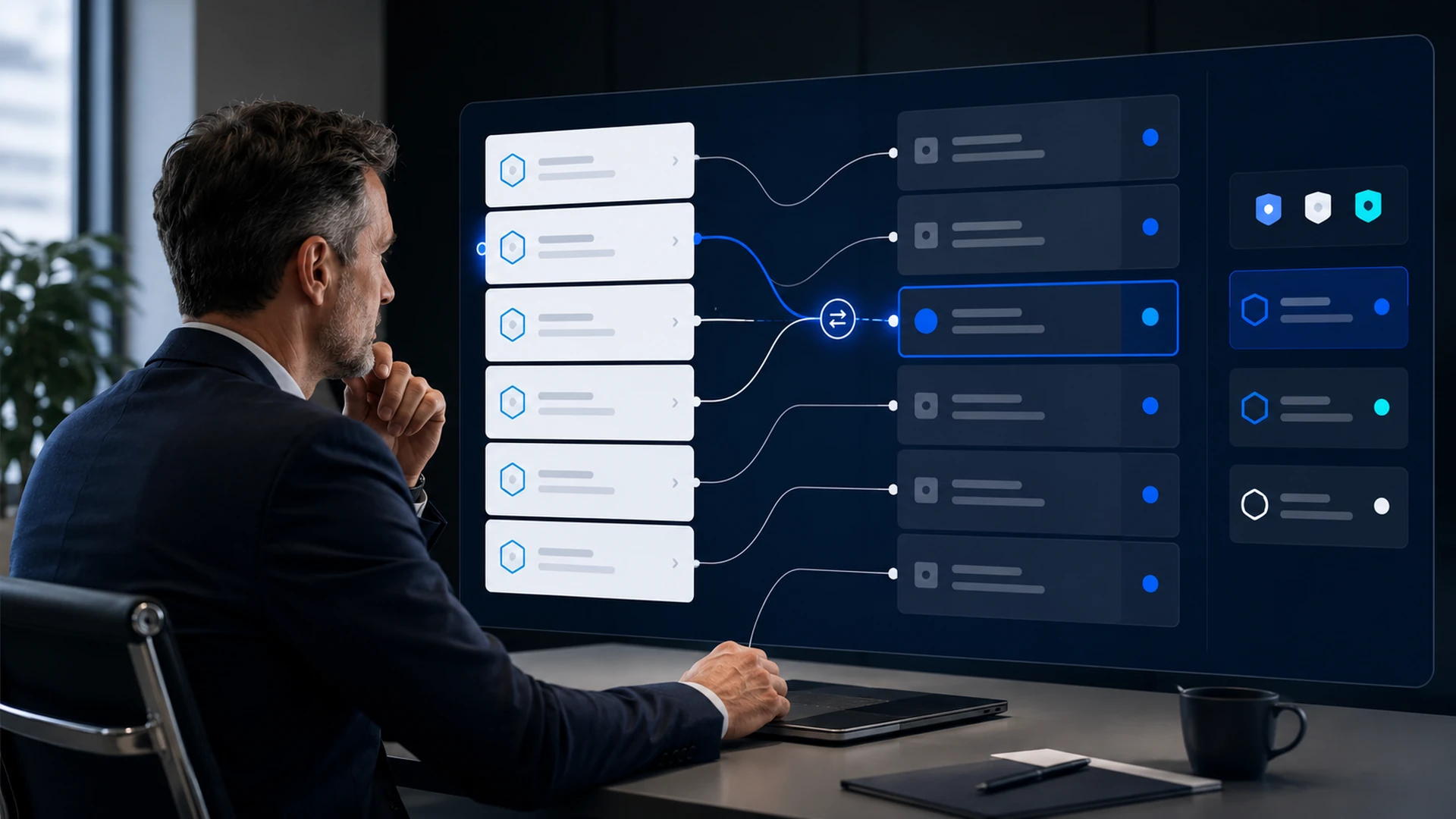
What virtual models are
A virtual model in AI operations is a stable, organization-defined model name that teams and workflows address, while administrators control which actual backend model serves it.
Users send work to names like “standard”, “reasoning”, or “finance-approved”. Behind each name, the routing layer dispatches to whatever real model currently fits: a specific provider model today, a better or cheaper one next quarter, changed centrally without touching a single workflow.
It is model abstraction in the same spirit as DNS: the name stays put so everything built on it can, while what the name points to evolves.
Why hard-wired model names age badly
Model names are the fastest-decaying dependency in modern software. Providers ship new versions continuously, deprecate old ones on their own schedule, and shift pricing between them.
When workflows, skills, and integrations reference provider model names directly, every one of those references is a future migration task. A deprecation notice becomes a sweep through every workflow that named the retiring model. A better model launching becomes a change-management project instead of an upgrade. And the accumulated references quietly become an argument for staying put, which is how flexibility erodes into dependence.
The problem is not that models change. Change is the good part. The problem is coupling your operation’s plumbing to names you do not control.
Names you define, backends you choose
Virtual models split the concern in two.
Teams get stable model names that describe intent: what class of work this is, what tier it deserves, what boundaries apply. Those names appear in workflows, skills, and habits, and they do not churn.
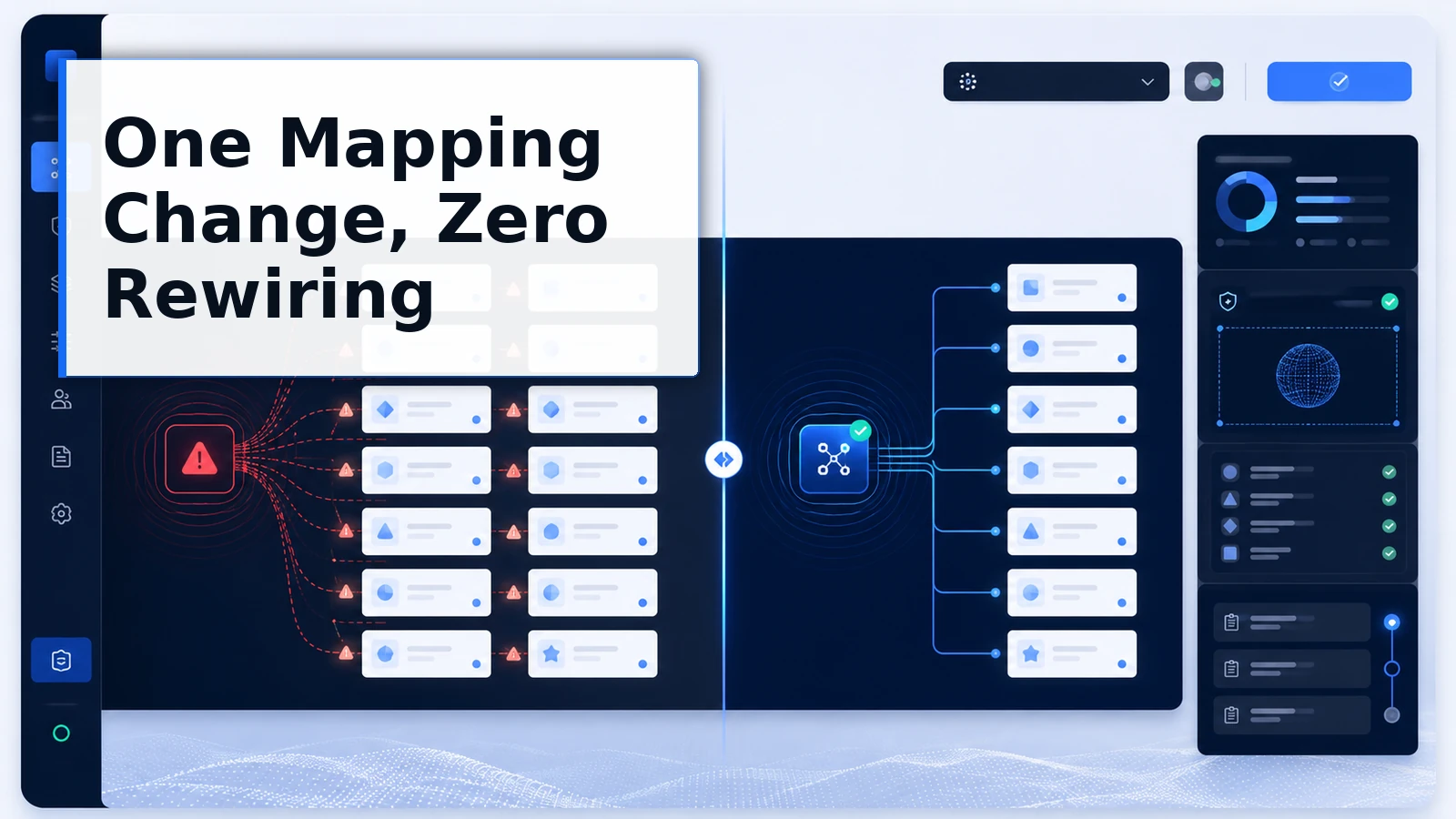
Administrators get the mapping: which real backend serves each name, under what routing policy. When a provider deprecates a model, releases a better one, or reprices a tier, the response is a mapping change made once, centrally, with the workflows above it undisturbed.
The abstraction also makes intent auditable. “This workflow uses finance-approved” says something governance can read. A raw provider model string says nothing about why.
How RouteFreely serves virtual models
Virtual models are part of RouteFreely, ThinkFreely’s routing and control layer.
Administrators define the organization’s virtual model names and map each to backing models under routing policy. Names can reflect how your organization actually thinks about AI work: by department, like a finance or support model with its approved boundaries built in, or by task class, like drafting, reasoning, or extraction tiers.
Requests addressed to a virtual model are dispatched by RouteFreely to the mapped backend, with the usual policy engine applied: cost, privacy, access, and fallback all operate on the real dispatch. A virtual name is not a bypass. It is the stable handle policy attaches to.
One qualification, because it matters: virtual models remove the rewiring cost of backend changes, not the behavioral difference between models. Swap the backend behind a name and outputs can shift in style and quality. The abstraction makes changing easy. Validating the change is still your call to make, and worth making deliberately for quality-sensitive work.
The moving parts of a virtual model
-
Stable model names
Organization-defined names give workflows and teams a fixed reference point, so provider churn stops propagating through everything built on top.
-
Backend abstraction
Each name maps to a real backing model controlled by administrators, making provider and version changes a central mapping update instead of a migration sweep.
-
Department virtual models
Names can encode departmental boundaries, like a finance-approved model, so choosing the right-governed path is as simple as using the obvious name.
-
Task-class virtual models
Names can encode work classes, drafting, reasoning, extraction, aligning everyday usage with your model-tier strategy without users studying provider catalogs.
-
Policy on real dispatch
Cost, privacy, access, and fallback rules apply to the actual routed request, so the friendly name never weakens the boundary behind it.
What stable names change for the business
-
Deprecations become non-events
When a provider retires a model, one mapping change absorbs it. Workflows keep addressing the same name and never know the backend moved.
-
Upgrades without campaigns
Adopting a better or cheaper model is a central decision that lands everywhere at once, instead of an adoption campaign across every team and workflow.
-
Independence made cheap
The switching cost that keeps organizations stuck largely lives in hard-wired references. Removing it makes provider choice a decision you can actually exercise.
Designing your virtual model catalog
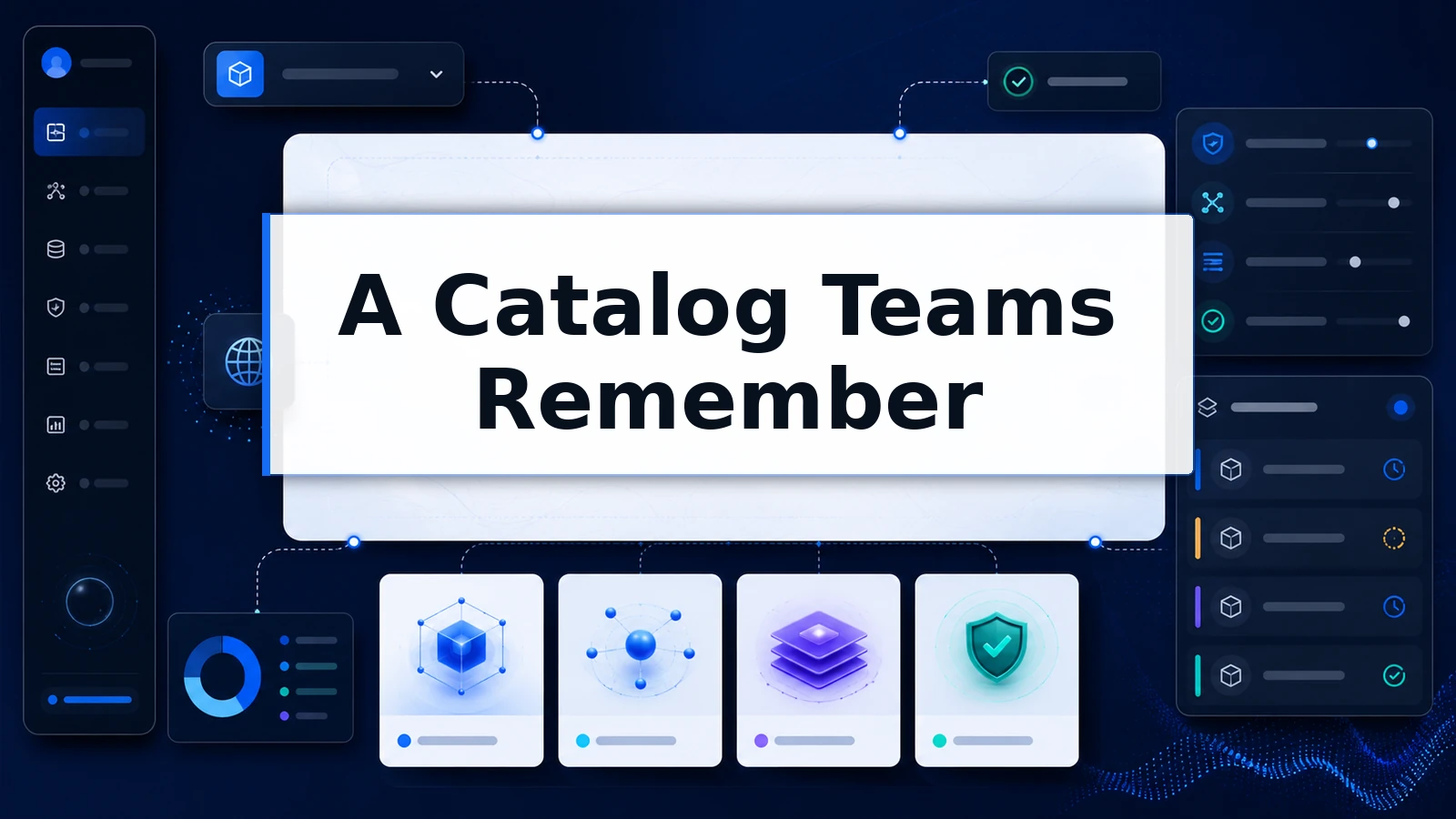
Questions that produce a catalog teams actually use:
- What names match how your people already talk about AI work: tiers, tasks, departments?
- Which names need governance built in, like approved-environment boundaries for sensitive functions?
- How many names is too many? A catalog nobody can remember defeats the purpose.
- Who owns mapping changes, and how are they validated before quality-sensitive workflows feel them?
- How do you communicate a backend change to the teams whose output style may shift?
Two catalogs from the field make it concrete.
An IT platform team publishes four names: general, reasoning, code, and restricted. Provider deprecations over a year are absorbed as three mapping updates, none of which touched a workflow. The engineering group’s tooling references “code” throughout, and has never contained a provider model string.
A finance operation runs a “finance-approved” virtual model whose mapping only ever points to environments cleared for financial data. Analysts use the obvious name; the boundary travels with it. When a cheaper qualified backend appeared, the controller approved one mapping change and every finance workflow inherited the savings the same day.
Under the hood
-
Part of RouteFreely
Virtual models are served by the routing layer, so stable names and policy enforcement operate in one place rather than as separate systems.
-
Central mapping control
Administrators change backing models per name centrally, giving the organization one lever for provider and version changes.
-
Works with fallback
Names compose with provider fallback, so a virtual model can stay answerable even while its primary backend is degraded.

Where virtual models have limits
Abstraction hides plumbing, not behavior. Backend changes can shift output style and quality, and workflows with tight quality bars deserve validation when their name’s mapping moves. Make mapping changes deliberate events, not silent ones, for the work where it matters.
A catalog also needs curation. Names multiply as easily as anything else, and twelve overlapping tiers confuse more than they clarify. Fewer, clearer names beat a taxonomy only its author understands.
And virtual models do not eliminate provider differences in capability. If only one backend can do a specialized task well, the name pointing at it has exactly one good mapping, and honesty about that beats pretending the abstraction created options that do not exist.
Frequently asked questions
What is a virtual model in plain terms?
It is a model name your organization owns. Teams send work to that name, and administrators decide which real AI model answers it. When providers change models, prices, or availability, the name holds still and only its mapping moves. Workflows built on the name never need rewiring.
How do virtual models differ from a model alias?
An alias is usually a convenience rename. A virtual model is an operational control point: mapped centrally, governed by routing policy, composable with fallback, and meaningful to audit. The name carries intent, like finance-approved or reasoning, and the policy engine enforces what that intent requires on every real dispatch.
Do virtual models lock us into RouteFreely instead?
The catalog is deliberately thin: names, mappings, and policy, all of which are your definitions and inspectable as such. Compare that with the alternative, provider model strings hard-wired through every workflow, and the abstraction is what reduces coupling rather than adding it. Build where you can move applies to us too.
When should a mapping change be treated as a release?
When the workflows behind the name are quality-sensitive: customer-facing output, regulated content, precision extraction. For those, validate the new backend against real samples before switching, and tell the affected teams. For general-purpose names, central judgment plus observation is usually proportionate.
Own the names your operation runs on
Providers will keep renaming, repricing, and retiring models. That is their roadmap. Your workflows should be built on names you control, so their churn becomes your routine mapping update.
Stable names for teams. Flexible backends for you.